
A pre-seed startup. A product worth believing in. Zero room for wasted effort.
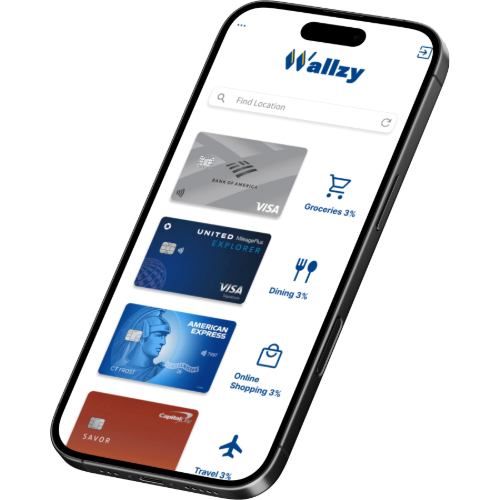
While Wallzy had the raw energy and a brilliant concept, they were missing the connective tissue: the strategy that turns a “good idea” into a name people rely on.
The site did not do the story justice. There was no content strategy for the audience that needed them most. No email programme to keep early believers warm before launch. No infrastructure to measure whether any of it was working. And like every pre-seed company running lean, no budget for anything that was not going to move the needle.
We came in across strategy, content, email, and product. Built the foundation. Then the campaign. Then made sure everything connected.
University of Washington students. Already spending on dining, transit, and textbooks. Not getting a cent back.
The intent was there. The right product was there. Nobody had shown up to make the connection, and nobody had thought to keep the people already paying attention close until launch.
Website Audit
A six-area teardown of what the site was failing to do. No value proposition. No product clarity. No trust signals. No calls to action. And no infrastructure to measure any of it. We named every problem, then built the brief around fixing them.
Content Strategy
A six-pillar roadmap built for one audience: UW students figuring out their money. Financial education, campus-specific reward guides, real student voices, and a trust-first approach to a category most people treat with skepticism. The same framework ran the email programme: every send was content first, not a sales pitch.
SEO & Content
Keyword strategy built around how students actually search, not how brands want them to. From broad educational posts to long-tail guides that matched the exact questions the audience was already asking.
Performance Dashboard
A five-tab reporting setup that pulled website and social data into one place. Engagement formulas, month-over-month tracking, and a top-channel view. The kind of infrastructure that makes it impossible to fly blind.
Every channel had a job. The tools turned passive visitors into engaged users. The email programme built the audience before launch and kept them warm after it. Social expanded reach and drove discovery. Nothing ran in isolation. Each channel fed the next one, and the performance dashboard made sure every handoff was visible.
Social
Organic Content · Campus FocusThe majority of the 105,000+ views came from social. Platform-native content built specifically for the UW audience, designed to stop the scroll without feeling like financial advertising. The awareness engine that drove qualified traffic into the tools and onto the email list.
- Campus-specific content: UW dining, transit, and textbook reward guides
- Short-form formats engineered for saves and shares, not just impressions
- Content that fed directly into the tool funnel: views turned into sign-ups
- Drove the bulk of unique reach across the campaign
- Amplified email list growth by expanding the top of the funnel
Email Campaign
Waitlist · Launch · OngoingBefore the tools launched, a waitlist existed but had no voice. We built a content-led email programme to change that. Financial tips, campus spend guides, and early product previews, delivered in a tone that felt like a newsletter worth opening. When the tools launched, the list was warm and ready. Immediate, high-intent traffic on day one.
- Pre-launch nurture sequence: education, campus guides, early access previews
- Tool launch announcements to a segmented, primed audience
- Post-launch engagement: tool updates, rewards alerts, ongoing content
- List grown organically through tool sign-ups, high-intent from day one
- Compounding reach: every new subscriber amplified the next send
Build Your Wallet
wallzywallet.com/bywStudents don't want to read about credit cards. They want to know which one is right for them. Build Your Wallet was designed to give that answer in under two minutes: input how you spend, get a personalised recommendation out the other side. A tool that earns trust by being genuinely useful, and captures email at the exact moment of highest intent.
- Personalised card recommendations based on actual spending patterns
- Estimated annual rewards output tailored to the user
- Built for first-time card holders and experienced optimisers alike
- Email captured at point of engagement, building a high-intent list from day one
- Positioned Wallzy as a resource, not a brand pushing a product
Card Comparison Tool
wallzywallet.com/compareTrust is the hardest thing to earn in financial services. The Card Comparison Tool was built to earn it by doing what the category had always avoided: showing everything, clearly, with nothing hidden. Every APR, fee, bonus, and rewards rate across 53 US cards, verified against live issuer sources. The kind of resource students bookmark, share, and come back to.
- 53 cards across travel, cash back, student, secured, and business
- Filter by category, credit score, and annual fee
- Side-by-side comparison with verified, live-sourced data
- Price change alerts with email sign-up built in
- Positioned Wallzy as the most transparent resource in the category
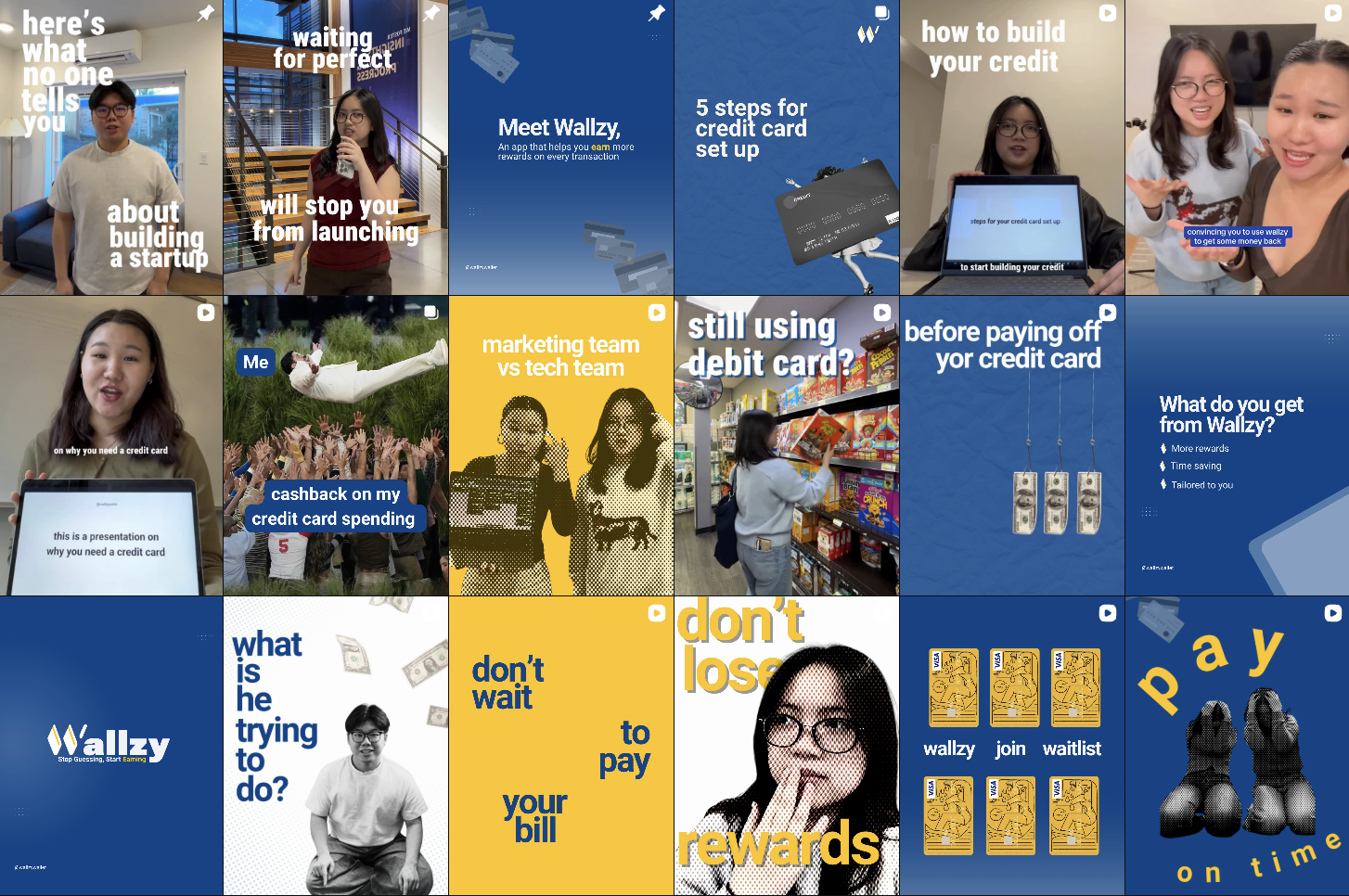
This wasn't four separate deliverables handed off one at a time. It was one campaign, built in layers, where each channel made the next one more effective. That compounding effect is what the numbers reflect.
SEO & Content
Keyword-mapped articles and guides built around how students actually search. Long-tail, intent-driven, designed to compound. Every post was a door into the product.
Social
Platform-native content built for the UW audience — designed to stop the scroll without feeling like an ad. Expanded reach and drove qualified traffic back to the tools.
Interactive Tools
Two free tools that turned passive visitors into engaged users. Every interaction was a reason to stay, share an email, and come back. The tools were the top of the funnel.
A content-led programme that built the audience before launch and re-activated it after. The warm list is why day-one traffic spiked. The kind of result a cold list never delivers.
Measurement
A five-tab performance dashboard pulling every channel into one view. Nothing ran blind. Every decision had a number, and every channel's contribution was accounted for.